Wondering what day-to-day life in Lafayette, Colorado actually feels like? If you are trying to picture more than a map pin or home price, you are not alone. Everyday living here is shaped by a mix of small-town routines, local businesses, open space, and housing choices that give you a clearer sense of how the city works in real life. Let’s dive in.
Why Lafayette Feels Distinct
Lafayette sits in southeast Boulder County, about 10 miles east of Boulder and just northwest of Denver. The city describes itself as a small-town community with easy access to a major metropolitan area, which helps explain why it appeals to people who want both convenience and a more grounded daily rhythm.
That balance shows up in the numbers too. The Census Bureau estimates Lafayette’s 2024 population at 30,587, with 21.7% of residents under 18 and 16.1% age 65 or older. About 86.3% of residents lived in the same house one year earlier, which points to a community with many long-tenured households.
For many buyers, that combination matters. You are not just looking at commute routes or square footage. You are also looking at whether a place feels settled, connected, and easy to return to at the end of the day.
What Daily Life Looks Like
Everyday living in Lafayette often centers on simple routines that are easy to repeat. You might grab coffee, walk through Old Town, spend time on nearby trails, or head to a local event without needing to make it a full-day plan.
The city highlights boutiques, international restaurants, art galleries, and other shopping destinations, especially around Old Town Lafayette. That gives the area a more local, walkable feel than you might expect if you only know Lafayette from a quick drive through town.
Representative businesses in the local Chamber directory help paint the picture. Spots like The Read Queen Bookstore, Eats & Sweets, The Post Chicken and Beer, Odd13 Brewing, and Mountain Dogs Café & Coffee Roastery suggest a business mix built around independent retail, coffee, casual dining, and local beer culture.
Old Town Adds Everyday Energy
Old Town plays a big role in Lafayette’s identity. It is not just a historic district or a place to visit once in a while. It helps shape the pace and feel of daily life, especially if you enjoy being near locally rooted shops, dining, and community events.
Downtown is also being guided by the Lafayette Urban Renewal Authority and the Downtown Development Authority, both focused on revitalization and preserving Old Town. For you, that means the core of town is not standing still. It is being actively maintained and improved in a way that supports its character.
This matters for both buyers and sellers. Buyers often want to know whether a downtown area feels active and cared for, while sellers benefit when the broader community story is strong and easy for future buyers to understand.
Arts Are Part of the Routine
In Lafayette, arts and culture are part of everyday life rather than a side feature. The city says it is known for a thriving art scene and talented local artists, and its Arts & Cultural Resources Department coordinates events and programming throughout the year.
Recurring events include Art Night Out on second Fridays from May through September, Picnic on the Plaza on Thursdays at noon through the summer, and See & Respond in October. These are the kinds of events that can make a normal week feel more connected and give you regular reasons to spend time downtown.
Art Night Out is especially telling as a snapshot of the city’s personality. It includes live music, street performers, an art market with 50 vendors, food trucks, and beverage service. That points to a community where public events are woven into the local rhythm rather than treated as occasional extras.
The Collective Community Arts Center adds another layer to that experience. It serves as the home of the city arts department and offers gallery displays, workshops, arts resources, cultural programming, and historic displays.
Outdoor Access Is Built In
If your ideal day includes time outside, Lafayette makes that easy. The city’s Open Spaces span 1,640 acres and include more than 20 miles of trails, with an emphasis on nature, wildlife, passive recreation, and community engagement.
That kind of access can shape how you use your time during the week. Instead of planning outdoor time only on weekends, you may find it easier to fit in a short walk, a loop around a lake, or a trail connection before or after work.
The local network includes Waneka Lake Trail, Rothman Open Space Trail, Dog Park Trail, and segments of the Coal Creek and Rock Creek regional trails. Together, they create multiple options for everyday movement, whether you want a quick walk close to home or a longer route that links to nearby communities.
Waneka Lake Is a Local Anchor
Waneka Lake Park is one of Lafayette’s standout everyday amenities. The park covers 147 acres and includes a 1.2-mile fitness trail, making it a practical option for walking, jogging, or simply getting outside without needing a major time commitment.
In season, the boathouse offers paddleboat, kayak, canoe, and stand-up paddleboard rentals. Dogs are allowed on leash, and the trail connects to Powerline Trail, Thomas Open Space, Greenlee Wildlife Preserve, and Waneka Landing.
That connection matters because it turns one park into part of a larger outdoor system. For many people, that is what makes a place feel livable. You are not limited to one isolated amenity. You have room to move through town in a more natural way.
Regional Trails Expand Your Range
Lafayette’s trail network also supports movement beyond city limits. The S. Public Road Trailhead connects users east on the Coal Creek Regional Trail toward 120th Street and west through Louisville and Superior to the South Mesa Trailhead in Boulder.
That wider connectivity can be a major plus if you value outdoor access as part of your regular routine. It gives you more flexibility in how you explore the area and reinforces Lafayette’s position within the broader Boulder County landscape.
Other open space areas add variety too. Greenlee Wildlife Preserve is described as a wildlife sanctuary and environmental education site, while Rothman and Kneebone open spaces offer Front Range views, neighborhood links, and access to the recreation center and dog park.
Housing Options Cover More Than One Style
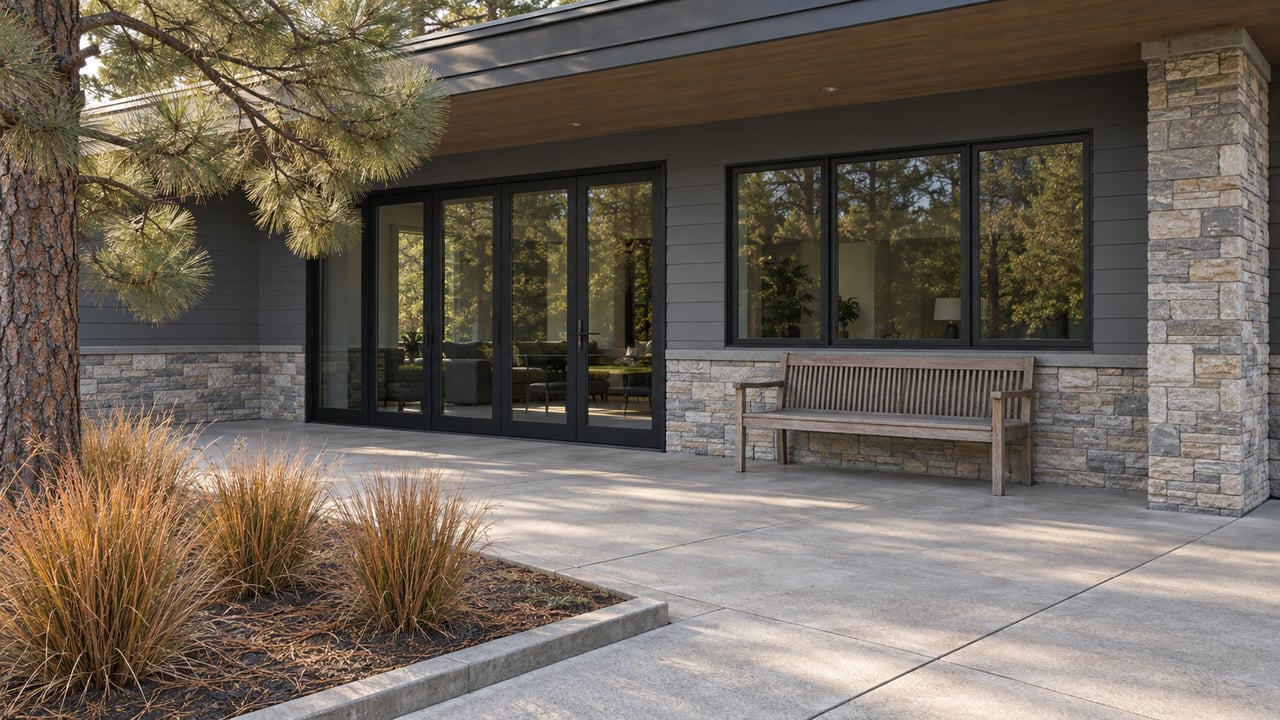
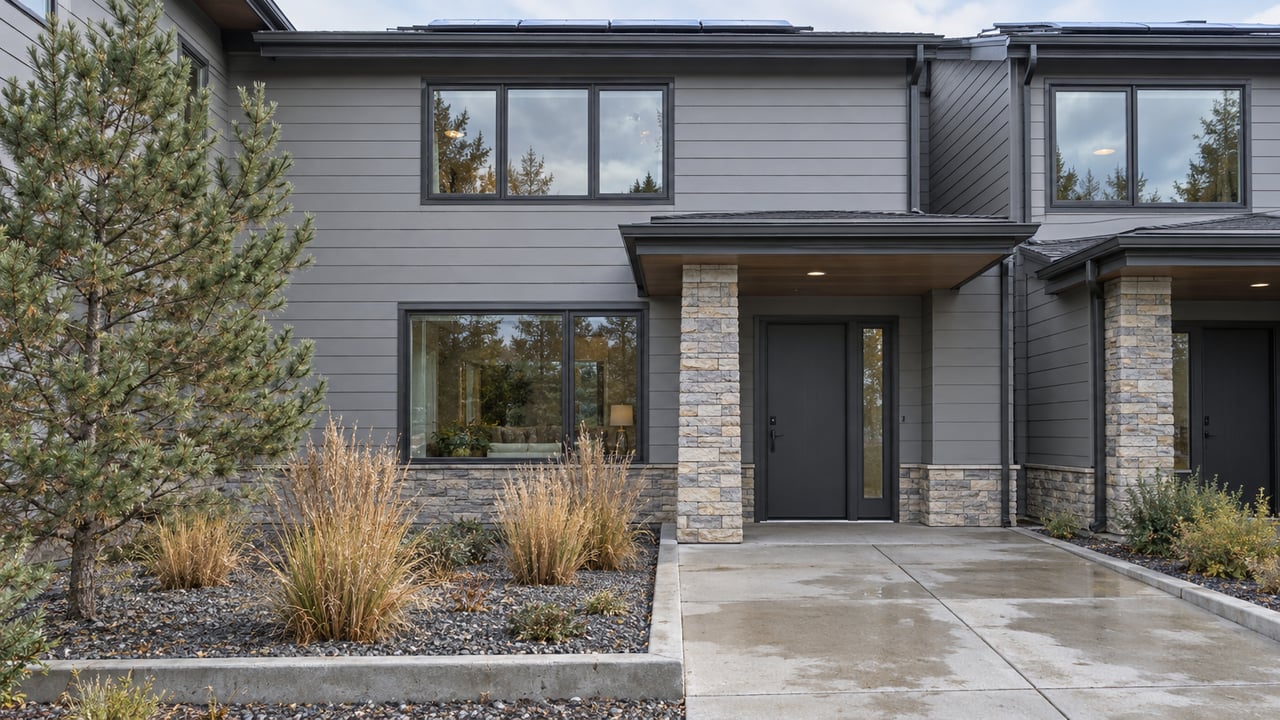
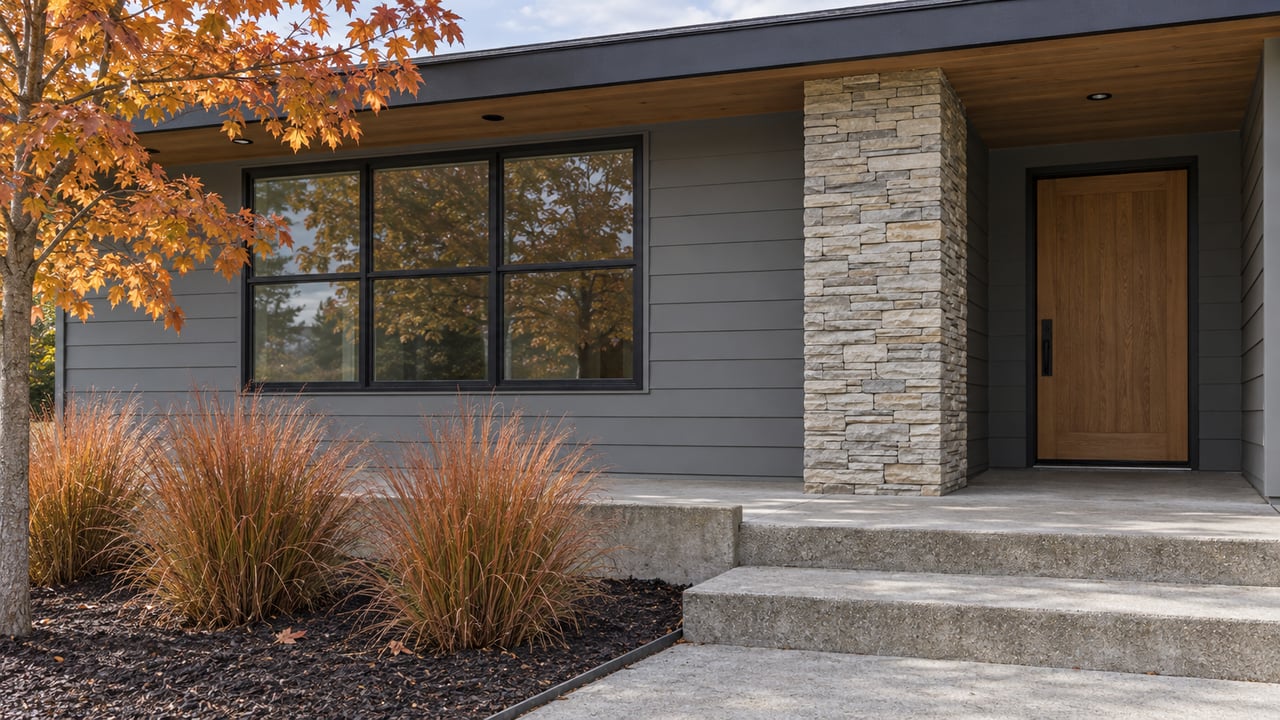
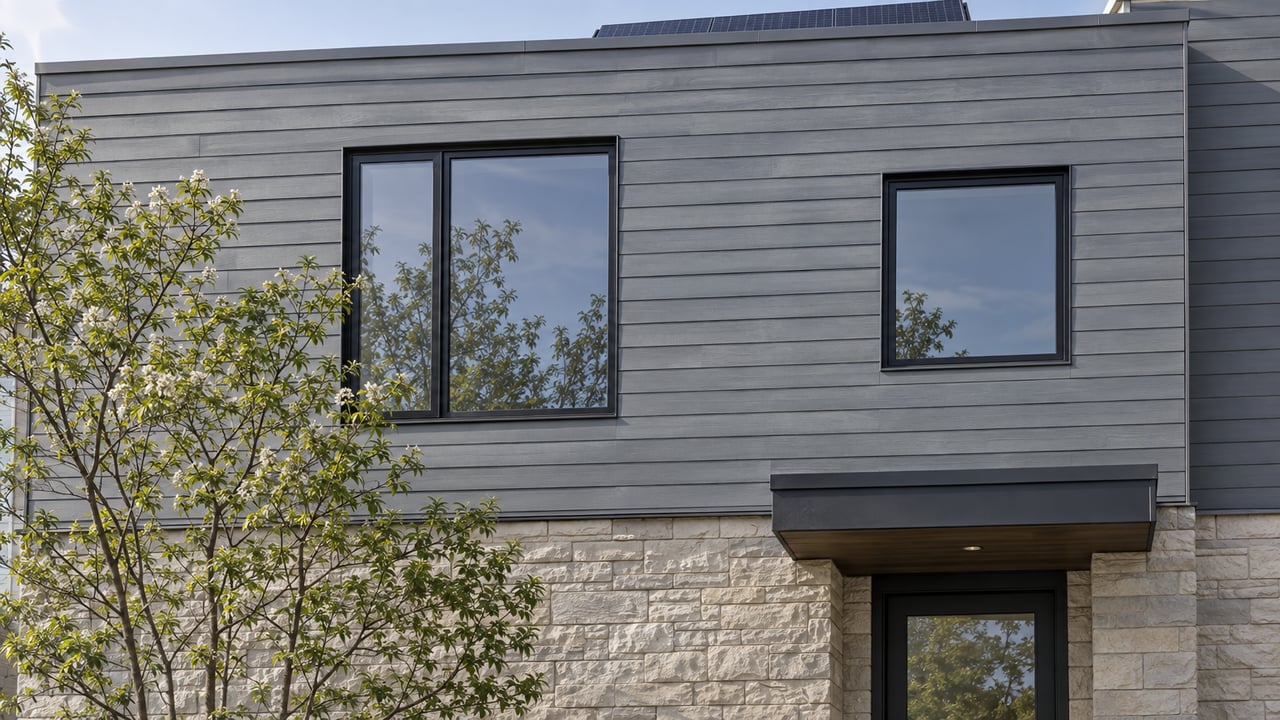
If you are considering a move to Lafayette, it helps to know that the housing mix is broader than many people assume. Detached single-family homes make up the largest share, but they are not the whole story.
According to the city housing plan, Lafayette had 12,531 housing units based on 2020 five-year ACS data. The mix was 59% detached single-family homes, 22% townhomes, duplexes, tri- and fourplexes, 13% apartment buildings with fewer than 50 units, and 6% mobile or manufactured homes.
That means Lafayette offers a more varied housing picture than a detached-home-only suburb. Local permitting also reflects that mix, with the city processing new single-family homes, two-family homes, and multi-family townhomes.
For buyers, this can create more entry points depending on your budget, space needs, and preferred maintenance level. For sellers, it helps explain why Lafayette can attract interest from different types of buyers looking for different ways to live in Boulder County.
Affordable Housing Is Part of the Conversation
Lafayette also has a permanent affordable housing program, which is an important part of the local housing landscape. A notable example is Willoughby Corner, a planned 400-home permanently affordable neighborhood with duplexes, townhomes, and apartments.
The plan also includes community gardens, a dog park, trails, and park space. For early-stage movers asking whether Lafayette has options beyond traditional detached homes, that is a meaningful local detail.
Cost Context Matters
When you are comparing Lafayette to other Boulder County communities, context helps. Current QuickFacts show a median household income of $119,040, an owner-occupied housing unit rate of 65.7%, a median owner-occupied home value of $686,500, and a median gross rent of $2,121.
These figures do not tell the whole story of any one home or neighborhood. Still, they do offer a useful frame for understanding where Lafayette fits in the local market and how its everyday living experience connects to housing costs and ownership patterns.
Is Lafayette More Small-Town or Suburban?
In practice, it feels like both. The city markets itself as a small-town place with metropolitan access, and that description fits the lived experience suggested by its downtown, arts programming, open space network, and housing variety.
You can see that balance in how the community functions. There is enough activity to support regular events, local businesses, and connected trails, but the scale still feels manageable for everyday routines.
That may be one reason Lafayette stands out within Boulder County. It has its own civic identity and daily rhythm, rather than feeling like only a pass-through or purely commuter-oriented place.
What This Means for Buyers and Sellers
If you are buying in Lafayette, it helps to look beyond listings and ask how you want your week to feel. Do you want trail access that is easy to use on a Tuesday, a downtown that gives you reasons to stay local, or housing options that extend beyond one property type?
If you are selling, those same qualities shape how buyers perceive your home’s setting. Lafayette’s mix of local character, open space, arts, and varied housing stock gives sellers a broader story to tell about everyday life here.
That is where neighborhood-first guidance can make a real difference. When you understand how a place lives, not just how it looks online, you can make better decisions with more confidence.
If you are thinking about buying or selling in Lafayette, Mary Wood can help you understand how this market fits your goals with clear, local guidance and a thoughtful neighborhood perspective.
FAQs
What is everyday living like in Lafayette, Colorado?
- Everyday living in Lafayette often blends local shops, dining, arts events, open space, and trail access with the convenience of being near both Boulder and the Denver metro area.
What types of homes are common in Lafayette, Colorado?
- Lafayette includes detached single-family homes, townhomes, duplexes, smaller multifamily buildings, and mobile or manufactured homes, with detached homes making up the largest share of the housing mix.
Does Lafayette, Colorado have a walkable downtown?
- Old Town Lafayette supports a more pedestrian-friendly, local feel with boutiques, restaurants, galleries, and community events that add regular activity to the downtown area.
What outdoor amenities are available in Lafayette, Colorado?
- Lafayette offers 1,640 acres of open space, more than 20 miles of trails, Waneka Lake Park, and connections to regional trail systems including Coal Creek and Rock Creek routes.
Is Lafayette, Colorado a good fit for buyers who want different housing options?
- Lafayette may appeal to buyers looking for a range of housing types because the city includes detached homes, attached housing, and permanently affordable housing initiatives such as Willoughby Corner.