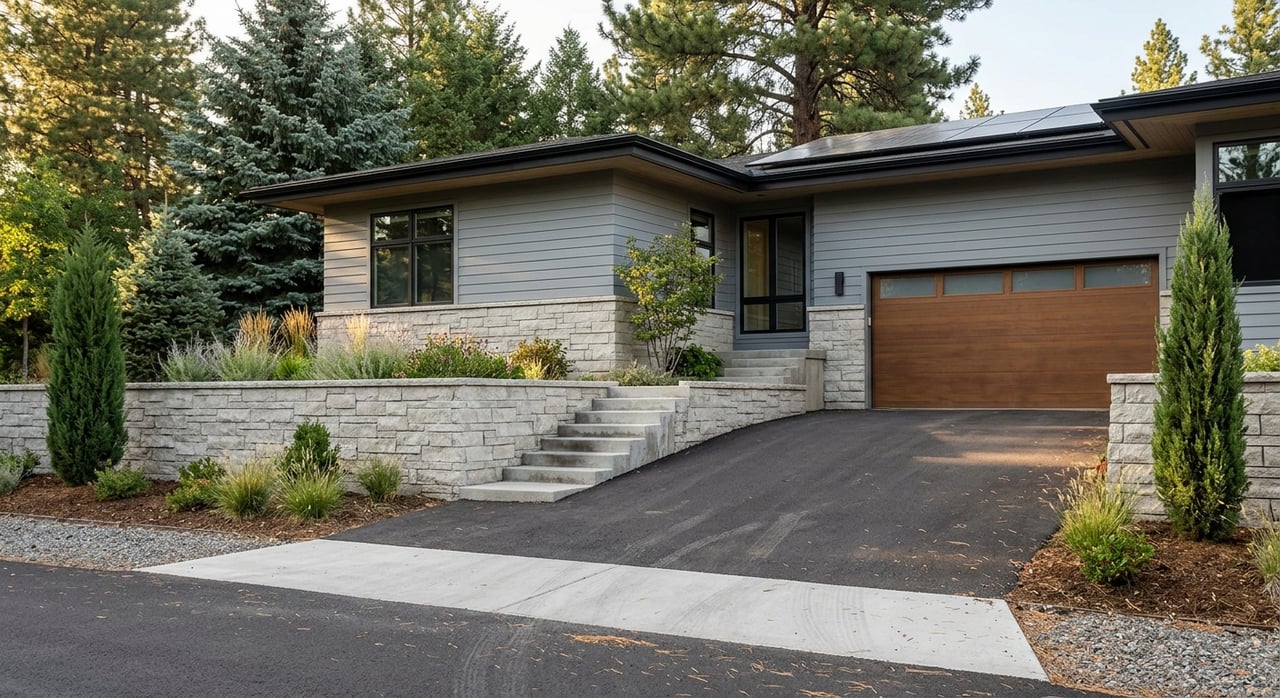
Curious why homes above Newlands feel so different from the rest of in-town Boulder? Even when the address is close to central Boulder, the experience can shift quickly once you move toward the foothills. If you are thinking about buying or selling in this area, it helps to understand how setting, access, and property conditions shape both daily life and market value. Let’s dive in.
Foothills Homes Feel Different Here
Above Newlands, the story is less about a typical city block and more about Boulder’s edge-of-city setting. This west-side transition sits near Sunshine Canyon Creek, Mount Sanitas, and the city’s Open Space and Mountain Parks land, which creates a different feel from the older in-town fabric associated with Newlands.
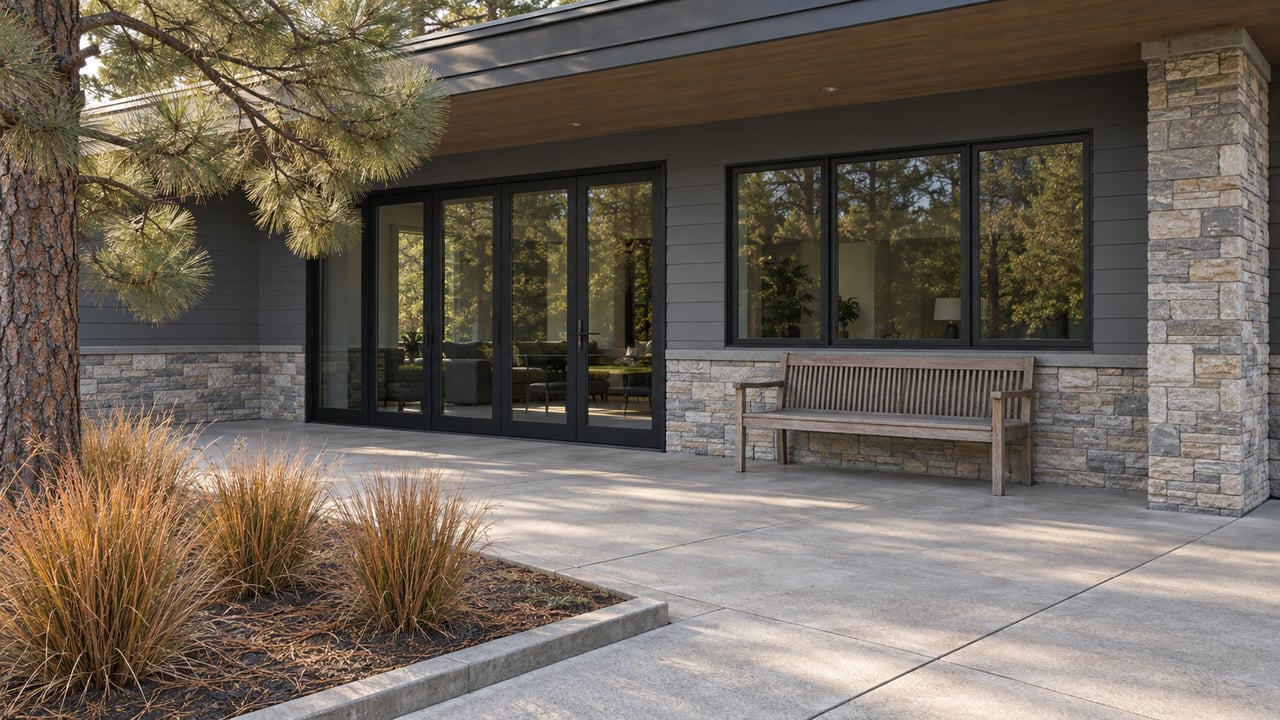
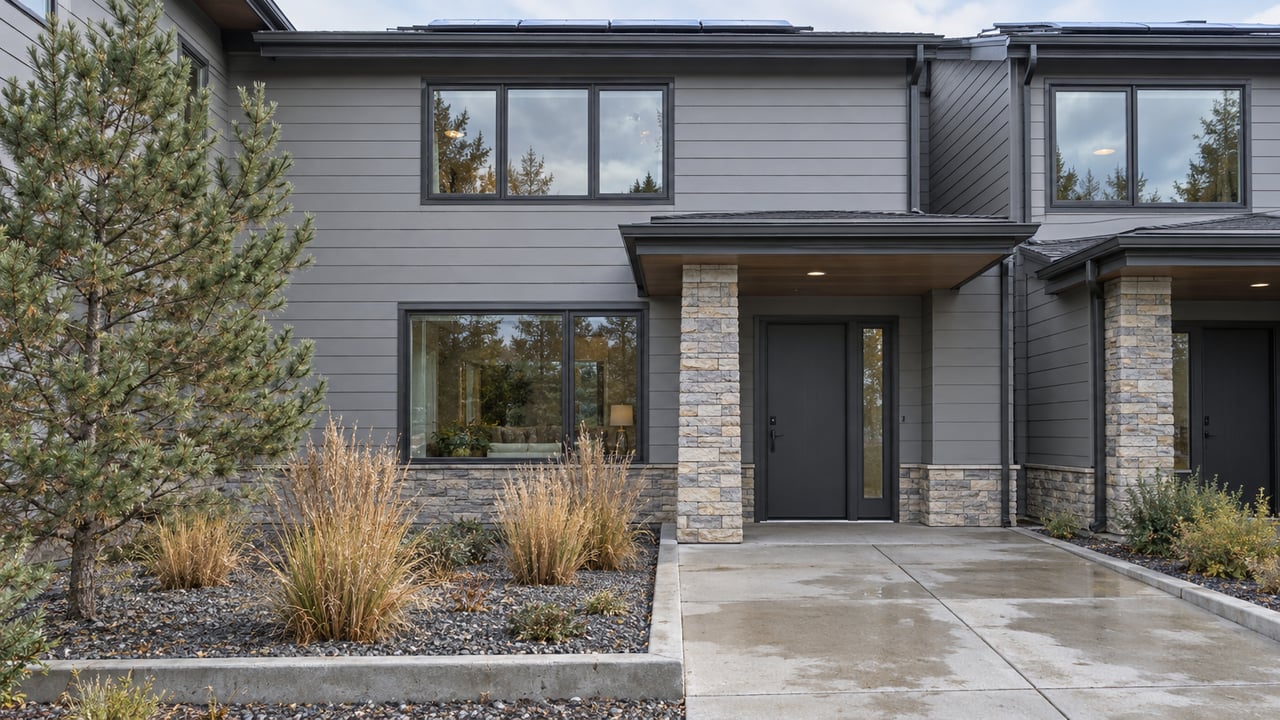
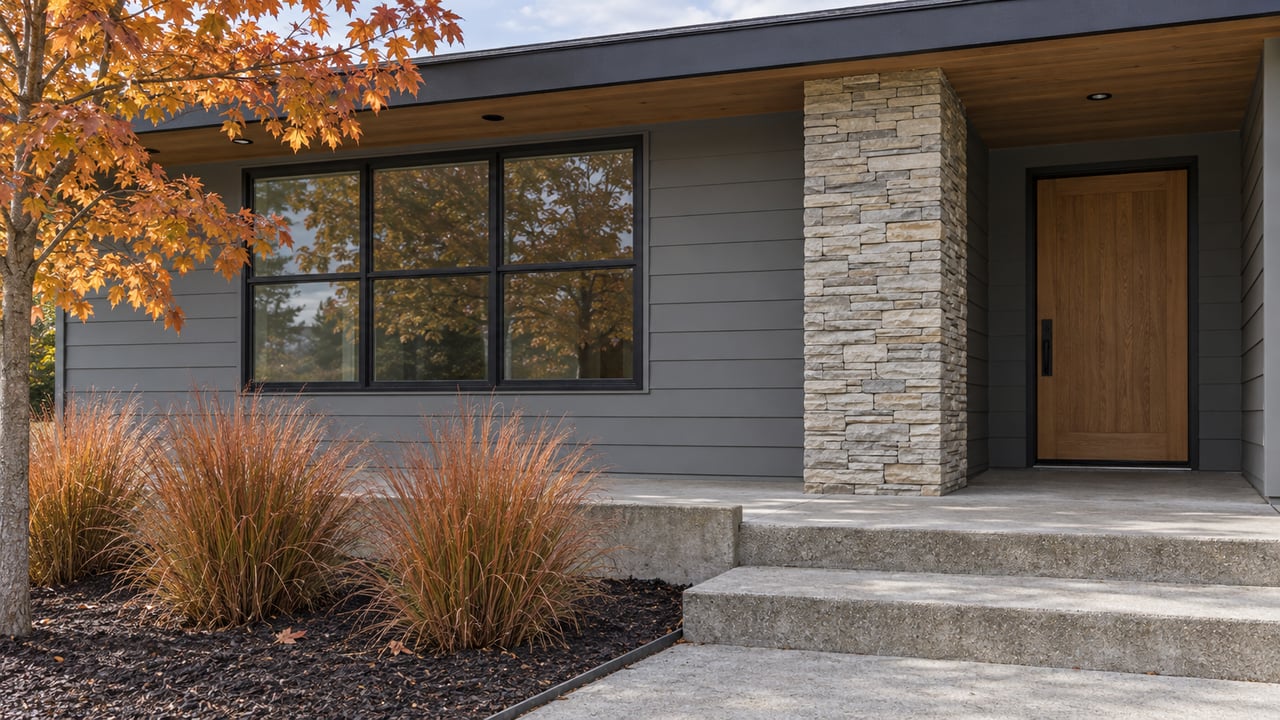
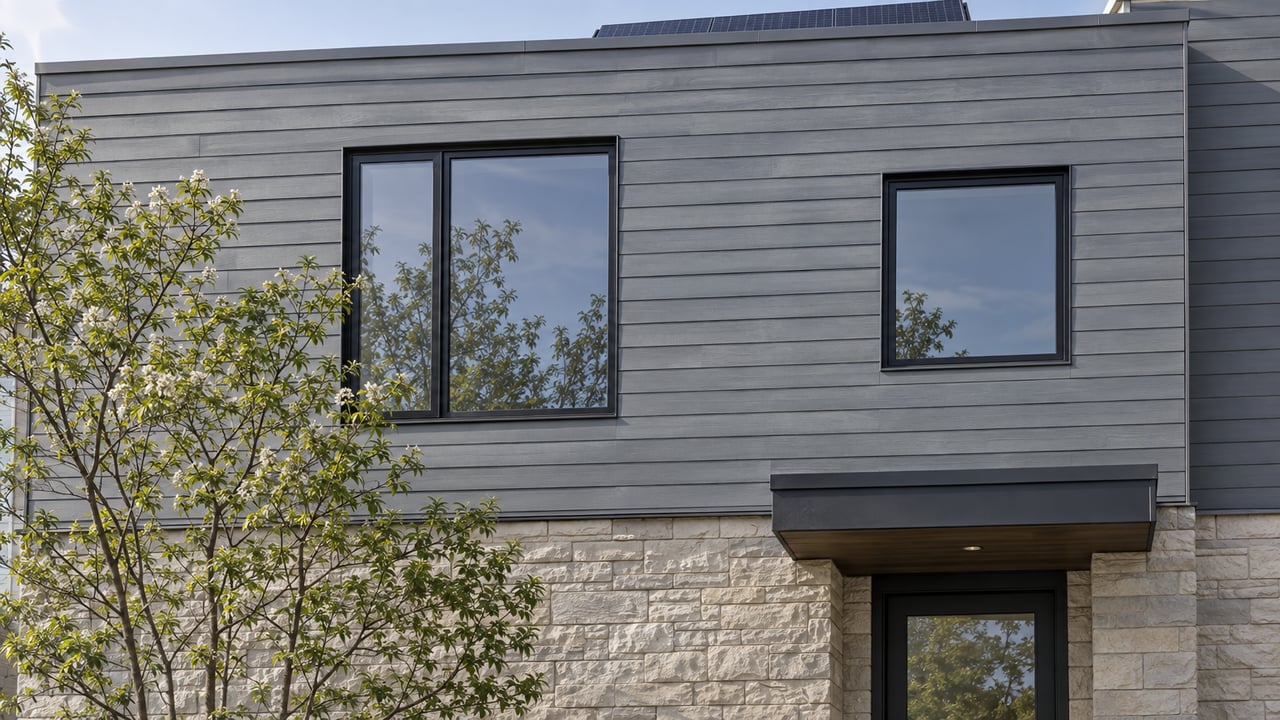
That distinction matters when you compare homes. In-town Newlands often reads as historic, established, and closely tied to downtown Boulder. Foothills homes above Newlands tend to be evaluated more for privacy, open-space adjacency, views, and how they connect to the landscape around them.
Open Space Shapes Daily Life
Boulder’s Open Space and Mountain Parks system manages more than 46,640 acres and about 155 miles of trails. In this part of town, access to trails is not just a bonus feature. It is part of how many people use and experience the area every day.
For buyers, that can be a major draw. You may be looking for quick access to hiking, biking, or dog walking without needing to drive across town. For sellers, this means location value often comes from the property’s relationship to nearby open space, not just from the home itself.
Mount Sanitas and Foothills Access
Mount Sanitas is one of the clearest examples of the lifestyle appeal in this area. The city describes the Mount Sanitas Trail as a hard 1.3-mile route with 1,323 feet of elevation gain, rugged terrain, and strong views, and it is also known for high foot traffic.
The Foothills Trailhead, located just north of Boulder off Highway 36, adds another layer of access. It currently has 22 standard parking spaces and connects to the Foothills Trail and Hogback Ridge through an underpass. The city is also planning a parking lot expansion and additional bike racks there in 2026.
Access Comes With Tradeoffs
Trail access is often a big positive, but it is not purely a benefit in every situation. OSMP advises visitors to plan ahead because trailhead lots often fill early on weekend mornings, and common activities at these access points include hiking, biking, horseback riding, and dog walking.
That means some homes may feel deeply tucked away, while others may experience more activity nearby than a buyer expects at first glance. If you are shopping here, it is smart to pay attention to privacy, parking patterns, traffic flow, and how secluded the home feels at different times of day.
What Buyers Should Check First
In foothills-adjacent areas, due diligence should start earlier and go deeper than it might for a more typical in-town property. Boulder’s rules and physical conditions make wildfire, slope, drainage, and floodplain review especially important.
These issues do not automatically make a property less desirable. They simply mean you should understand the site as well as the structure before making a decision.
Wildfire Readiness Matters
Boulder says properties in the wildland urban interface may be subject to ignition-resistant construction and material rules. Boulder County’s 2024 Community Wildfire Protection Plan also notes that wildfire threats have expanded beyond the mountains and foothills, and the city reports that high fire-risk days have increased from about 15 per year before 1980 to more than 100 now.
The city’s wildfire guidance focuses on how homes and landscapes ignite, not just on fire suppression. In practical terms, buyers often want to look closely at defensible space, hardscaping, decks, fences, and the overall level of home hardening. Boulder also offers free Detailed Home Assessments anywhere in the city, which can be a useful resource for understanding a property’s preparedness.
Slope and Site Conditions Can Affect Plans
If you are thinking about future improvements, lot conditions matter. Boulder requires a soils report for properties with steep slope concerns or mass movement potential, including proposed development on slopes of 15% or greater.
The city also requires grading and drainage plans for new structures, horizontal expansions, or grade changes in those conditions. For buyers, this can affect renovation timing, cost, and feasibility. For sellers, having clarity on site conditions can reduce uncertainty during negotiations.
Floodplain Status Is Worth Verifying
Flood review is also important on Boulder’s west side. The city regulates development along 16 major drainageways, and the regulated floodplain covers about 15% of the city and more than 2,500 structures.
Boulder says it has the highest flash-flood risk in Colorado, and the Sunshine Canyon Creek flood-mitigation work helps explain why west-side drainage deserves close attention. Even if a home is not directly impacted, buyers should confirm floodplain status and understand how drainage patterns affect the parcel.
Older-Home Review Can Still Apply
Older-home review tends to matter more in in-town Newlands than in most foothills homes above it, but it should still be checked parcel by parcel. Boulder requires demolition review for a non-designated structure that is more than 50 years old, and exterior changes to historic-district properties require a Landmark Alteration Certificate.
This is one reason broad assumptions can be risky. Two nearby properties may look similar on a map but face very different review paths depending on age, location, and city designation.
What Sellers Can Do Before Listing
If you are preparing to sell a foothills home above Newlands, the strongest approach is usually preparation. Buyers in this segment tend to be detail-oriented, and they often want answers about site conditions early.
A few steps can help your home feel more straightforward and better positioned:
- Document wildfire mitigation or home-hardening work
- Confirm floodplain status
- Check slope or soils-related conditions that could affect future work
- Identify any permitting or review requirements before listing
- Clarify how the home balances privacy, recreation access, and usability
This kind of preparation supports buyer confidence. It also helps your marketing tell a clean, credible story from the start.
Pricing Needs a Neighborhood Lens
Boulder pricing is high, but it is not uniform. The Colorado Association of REALTORS’ March 2026 Boulder single-family report shows a median sales price of $1.29 million, 84 days on market, 97.2% of list price received, and 3.7 months of supply.
At the same time, broader city and county numbers show different price points and pacing. Redfin’s broader Boulder city market shows a three-month median sale price of $854,489 and 50 days on market, while Boulder County sits at $747,757. Those ranges are a reminder that citywide averages can blur important neighborhood differences.
Newlands and Foothills Can Move Differently
Nearby neighborhood snapshots show why local comps matter. In May 2026, Newlands showed a median price of $1,536,547 with 12 sales, 56 days on market, and a 96.5% sale-to-list ratio. East Foothills showed $1,472,005 with only 6 sales, 38 days on market, and a 101.8% sale-to-list ratio.
Those are small sample sizes, so results can swing meaningfully from month to month. The key takeaway is simple: foothills homes above Newlands should be priced and evaluated against truly comparable properties, not broad Boulder averages.
What Buyers Value in This Setting
Boulder’s summer 2026 home-trends data points to hiking trails, heated garages, modern architecture, gourmet kitchens, and spas among the strongest value-add features. In a foothills setting, those preferences often connect directly to how a home works year-round.
For example, heated garages, practical storage, and winter usability can carry real weight in this part of town. Outdoor access may attract attention first, but buyers also tend to care about parking, maintenance readiness, and how the home supports daily living in a foothills environment.
The Marketing Story Should Match the Setting
For in-town Newlands, a listing story may lean into historic character, neighborhood fabric, and proximity to downtown. For homes above Newlands, the more relevant story often centers on setting, privacy, open-space adjacency, and responsible stewardship of the site.
That difference matters for both buyers and sellers. When the property story matches the land, access patterns, and real-world buyer concerns, pricing and marketing tend to feel more credible.
If you want a clear read on how a foothills home above Newlands may fit your goals, local context makes all the difference. Mary Wood offers neighborhood-first guidance for Boulder buyers and sellers who want practical advice, thoughtful pricing insight, and a more tailored plan.
FAQs
What makes foothills homes above Newlands different from in-town Newlands homes?
- Foothills homes above Newlands are often defined more by privacy, open-space adjacency, recreation access, and site conditions, while in-town Newlands is more closely associated with older neighborhood fabric and proximity to central Boulder.
What should buyers review first for homes above Newlands in Boulder?
- Buyers should first check wildfire considerations, slope and soils conditions, drainage, floodplain status, and any property-specific review or permit requirements.
How important is trail access for homes above Newlands in Boulder?
- Trail access is a major lifestyle feature in this area, but it can also bring tradeoffs related to parking, foot traffic, and privacy near popular access points.
How should sellers price a foothills home above Newlands?
- Sellers should rely on neighborhood-level comparable sales because small foothills and west-side submarkets can behave very differently from Boulder-wide averages.
Do older-home rules apply to properties above Newlands in Boulder?
- They can, depending on the parcel, because Boulder requires demolition review for certain non-designated structures older than 50 years and has separate review requirements for historic-district exterior changes.
Why does floodplain review matter for west-side Boulder homes?
- Floodplain review matters because Boulder regulates development along major drainageways, the regulated floodplain covers about 15% of the city, and west-side drainage conditions near areas like Sunshine Canyon Creek deserve close attention.