Wondering why a beautiful Central Boulder home can still sit longer than expected? In today’s market, buyers are paying close attention to presentation, condition, and timing, especially in premium neighborhoods where expectations are high. If you want to stand out and protect your price, the right prep can make a measurable difference. Let’s dive in.
Why prep matters in Central Boulder
Boulder’s market is not one where you can count on scarcity alone to carry a listing. In March 2026, Redfin reported Boulder homes averaged about two offers and sold in roughly 52 days, while Realtor.com’s Boulder County data pointed to a balanced market with 37 median days on market and a 99% sale-to-list ratio. The numbers vary by source, but the takeaway is the same: polished homes tend to have the edge.
For a premium Central Boulder sale, visible wear can affect how buyers respond from the start. Small defects that might have been overlooked in a hotter market can now shape first impressions, showing activity, and perceived value. That makes preparation one of the most practical places to invest before you list.
Start with a neighborhood-aware plan
In Central Boulder, location is not just about convenience or scenery. It also shapes what kind of prep makes sense for your property, especially if your home is older, architecturally distinctive, or located in a historic district. A thoughtful plan should match the home, the block, and the expectations of likely buyers.
This matters in areas such as Mapleton Hill, Downtown, West Pearl, Highland Lawn, University Place, Chautauqua, Chamberlain, Floral Park, Hillside, and 16th Street. The City of Boulder notes that historic districts reflect historic, architectural, or environmental significance, and that features like sidewalks, tree canopy, and building patterns can contribute to that character. If your home is in one of these areas, prep choices should be made carefully.
Know if historic review applies
If your property is landmarked or located in a historic district, exterior work may need a Landmark Alteration Certificate, or LAC. The city lists common examples including re-roofing, repainting, mechanical equipment, fences, additions, and solar panels. Landscaping alone does not require an LAC, but paving, hardscaping, and removal of mature trees do.
This is one of the biggest reasons to begin early. According to the City of Boulder, completeness review takes 5 to 7 days, initial review happens within about three weeks of a complete application, and some approvals can take 2 to 4 weeks in one round. If a case goes to the Landmarks Board, the process can take 6 weeks to 3 months.
Plan backward from your launch date
If you hope to list in spring, do not wait until buyers are already active to start repairs, approvals, staging, and photography. REcolorado’s local reports showed the typical seasonal pattern, with winter slowing, spring momentum building by March, and steadier conditions returning later in the year. In practical terms, that means your best listing week is usually supported by prep work done well in advance.
A simple approach is to work backward from your ideal listing date. Build in time for contractor scheduling, touch-ups, cleaning, staging, and any city review that may be required. For Central Boulder sellers, this kind of lead time can reduce stress and help your home hit the market fully ready.
Focus on the prep that buyers notice first
When you are preparing for a premium sale, not every project deserves your time or money. The strongest return often comes from visible, lower-friction improvements that help buyers feel the home has been cared for. In Central Boulder, that usually starts outside and continues through the most important interior spaces.
Refresh curb appeal first
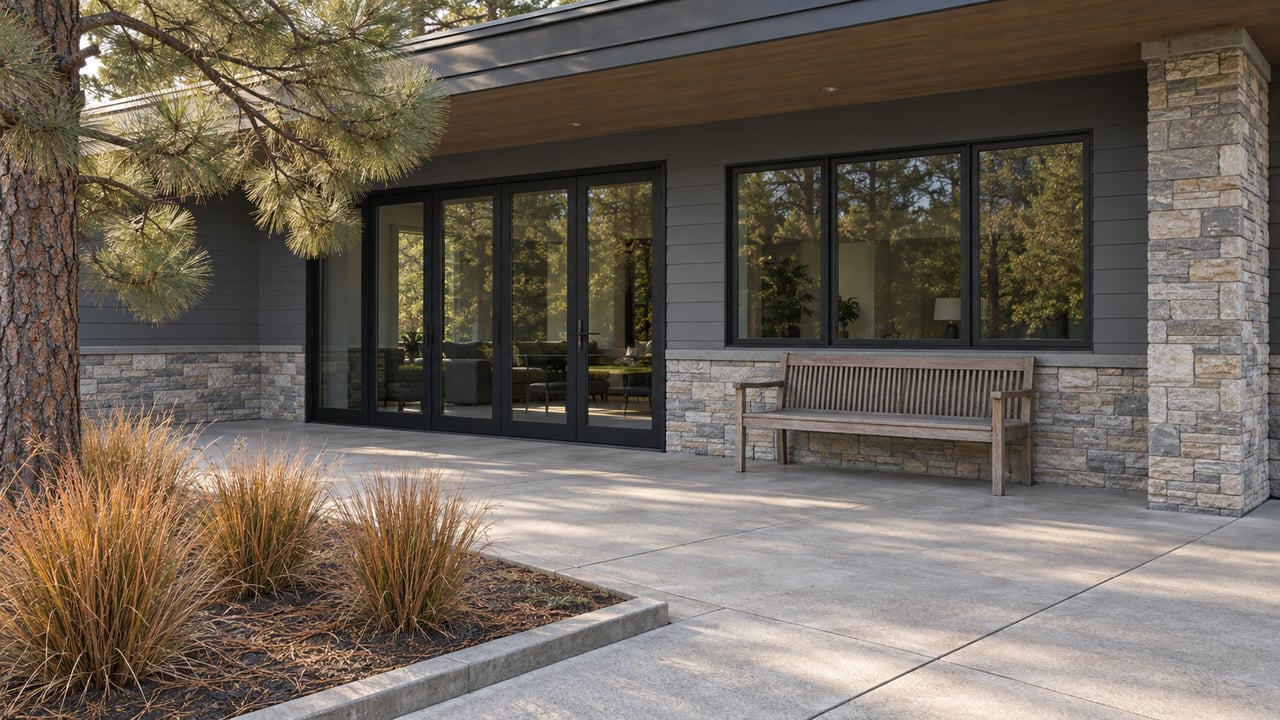
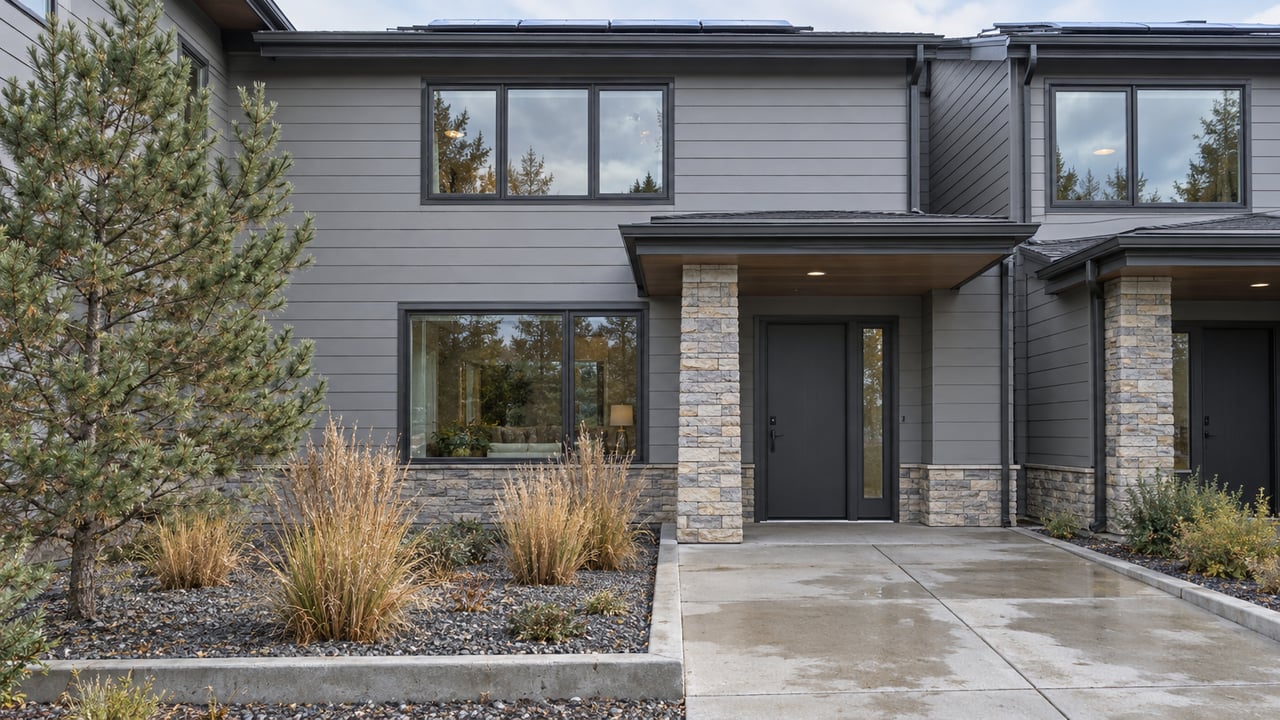
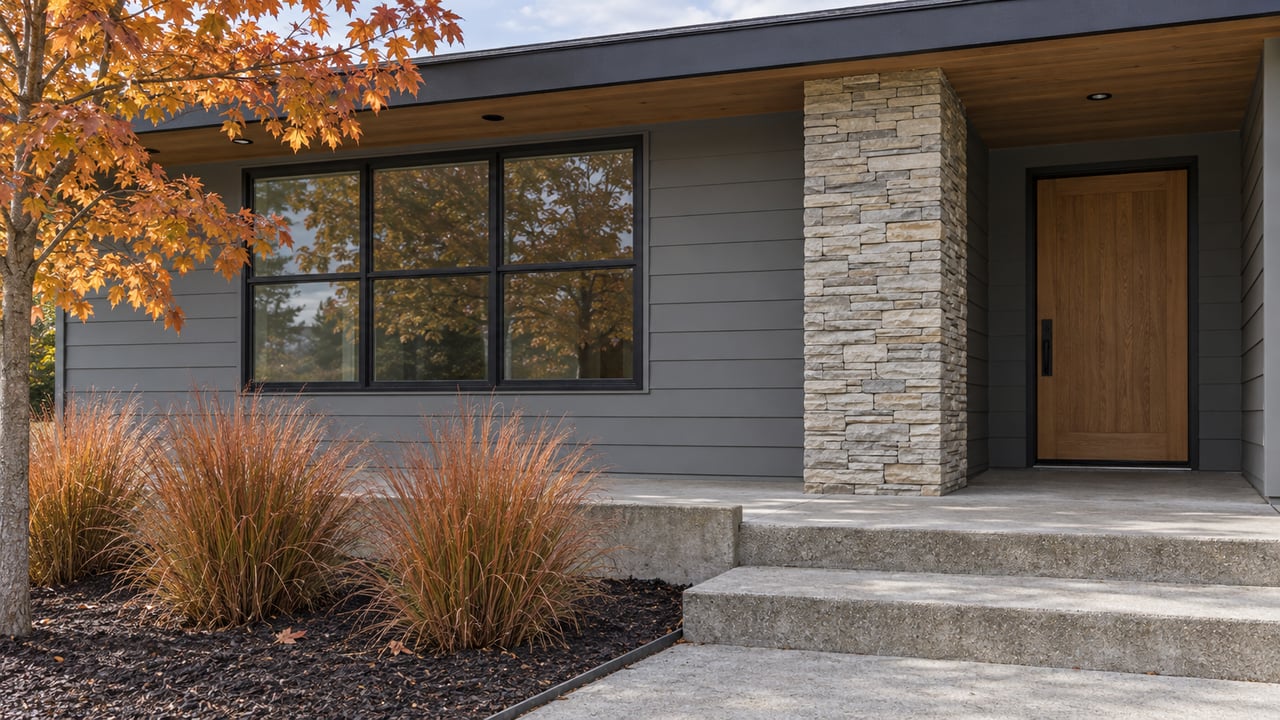
Your front approach sets the tone before buyers ever open the door. NAR reports that 92% of REALTORS® recommend improving curb appeal before listing, and its outdoor-features data found strong estimated cost recovery for standard lawn care service, landscape maintenance, and overall landscape upgrades. That supports a straightforward exterior tune-up before launch.
For many Central Boulder homes, especially in historic areas, basic maintenance is the smart move. Focus on mowing, edging, pruning, mulching, and cleaning the walkway and front entry. These updates create a cared-for look without pushing into more complicated exterior changes that may need review.
Keep exterior changes compatible
If your home has character details or sits in a historic district, avoid treating prep like a full style reset. The City of Boulder says design review looks at preserving historic character and keeping style, texture, color, and materials compatible with the property. That means a restrained approach is often better than a dramatic one.
Before making exterior updates, confirm what is considered maintenance and what may require approval. Even repainting can require review in historic districts. For sellers, the goal is not to make the home feel trendy. It is to make it feel well-kept, cohesive, and appropriate to its setting.
Prioritize light interior updates
Inside the home, buyers respond best to clean, bright, well-edited spaces. NAR’s 2025 Remodeling Impact Report found that Realtors most often recommended painting the entire home, painting a single interior room, and installing new roofing. It also reported high cost recovery for a new steel front door and strong recovery for a new fiberglass front door.
That does not mean you need a major remodel before listing. In most cases, a premium result comes from selective improvements that reduce distraction and sharpen presentation. Think fresh paint where needed, minor repairs, updated hardware if it looks worn, and a front door that feels clean and intentional.
Fix the small defects
Buyers notice the little things because they use them to judge the bigger things. Scuffed walls, sticky doors, chipped trim, loose handles, and tired caulk can make an otherwise exceptional home feel less polished. In a balanced market, these details can influence how confidently buyers write offers.
Walk through your home as if you are seeing it for the first time. Make a punch list of visual and functional issues, then handle the easy wins first. These smaller repairs often help a home feel more move-in ready without requiring a large budget.
Stage the rooms that sell the story
Staging matters because it helps buyers understand scale, flow, and everyday use. According to NAR’s 2025 staging report, 83% of buyers’ agents said staging made it easier for buyers to visualize the property as a future home. The same report found that 29% of agents said staging increased dollar value offered by 1% to 10%, and 49% of sellers’ agents saw reduced time on market.
For a Central Boulder premium listing, staging should feel edited and intentional. It is not about filling every room. It is about creating calm, balanced spaces that photograph well and help buyers connect with the home’s layout and light.
Start with the core rooms
NAR found the rooms most often staged were the living room, primary bedroom, dining room, and kitchen. Those are the spaces buyers tend to remember most, both online and in person. If your budget is limited, start there.
Clean lines, lighter visual weight, and fewer personal items usually help these rooms read better. In a market where photos and first impressions carry real weight, this can make your home feel more refined and easier to imagine living in.
Declutter before photos
The most common seller-prep recommendations in NAR’s staging report were decluttering the home, cleaning the entire home, and improving curb appeal. That tracks closely with what premium buyers expect in Central Boulder. They want a home that feels ready, not one that feels like a project.
Before photography, remove excess furniture, clear counters, edit open shelving, and store personal collections. Then schedule a full deep clean. A spotless, simplified home allows the architecture, natural light, and room proportions to stand out.
Build a prep timeline that supports price
One of the biggest mistakes sellers make is treating listing prep as a last-minute sprint. Premium results usually come from sequencing the work in the right order. That means deciding early what to fix, what to leave alone, and what may need city review.
A practical prep sequence often looks like this:
- Confirm whether your property is landmarked or in a historic district.
- Identify any exterior items that may require a Landmark Alteration Certificate.
- Complete visible maintenance and minor repairs.
- Refresh paint and finishes where needed.
- Declutter, deep clean, and stage key rooms.
- Schedule photography only after the home is fully presentation-ready.
- Launch during your target market window, not before the prep is done.
This kind of planning helps you avoid rushed decisions that can undermine a premium listing. It also supports the kind of polished debut that tends to attract stronger interest.
Premium presentation is a strategy
In Central Boulder, a premium sale is rarely about one dramatic improvement. More often, it comes from a series of smart choices that make the home feel cared for, aligned with its setting, and ready for market. When buyers see that level of preparation, they are more likely to respond with confidence.
That is especially true in a selective market, where buyers have options and compare homes closely. If you want to protect value, your best move is often a neighborhood-aware prep plan, disciplined editing, and a launch that feels intentional from day one.
If you’re thinking about selling and want a prep strategy tailored to your block, home style, and timing goals, Mary Wood can help you create a polished, neighborhood-first plan for a premium Central Boulder sale.
FAQs
What home prep matters most for a Central Boulder sale?
- The highest-impact steps are usually curb appeal, minor repairs, decluttering, deep cleaning, and staging the living room, primary bedroom, dining room, and kitchen.
Does a Central Boulder home in a historic district need approval for exterior work?
- Yes, many exterior changes on landmarked properties or homes in historic districts require a Landmark Alteration Certificate, including common items like repainting, re-roofing, fences, and some equipment changes.
When should you start preparing a Central Boulder home for listing?
- It is wise to start well before your target listing week, especially if your home may need city review for exterior work or if you want to be ready for the spring market.
Should you remodel before selling a premium Boulder home?
- Usually, selective updates are more practical than a major remodel. Visible maintenance, fresh finishes, and strong presentation often do more to support buyer confidence than an extensive overhaul.
What exterior work is easiest to do before listing in Central Boulder?
- Basic landscape maintenance is often the lowest-friction option, including mowing, edging, pruning, mulching, and cleaning walks and the front entry, since landscaping alone does not require historic review.