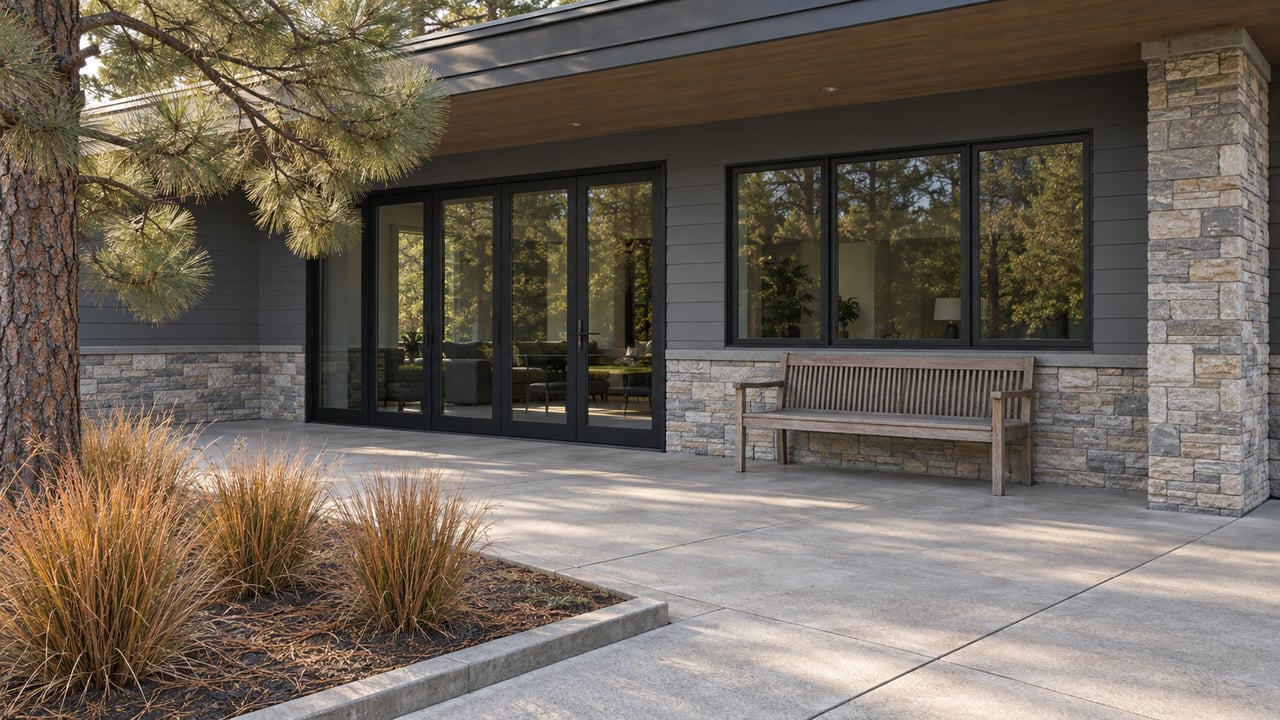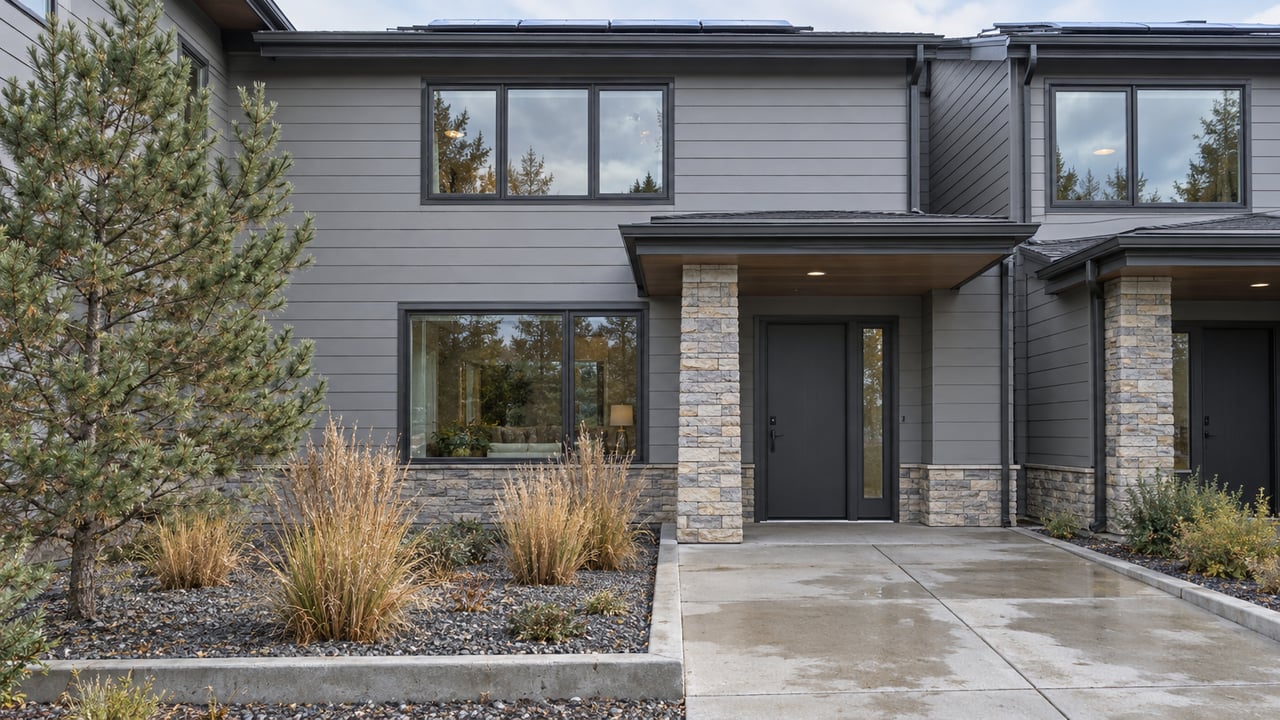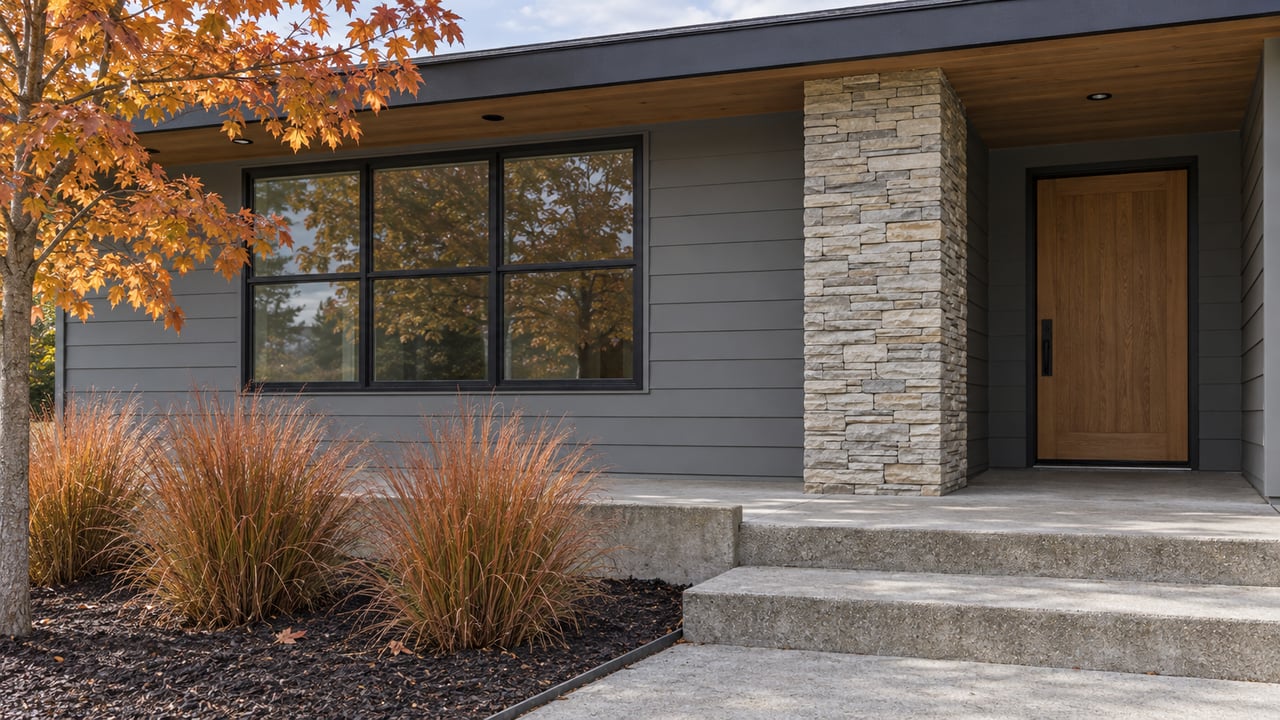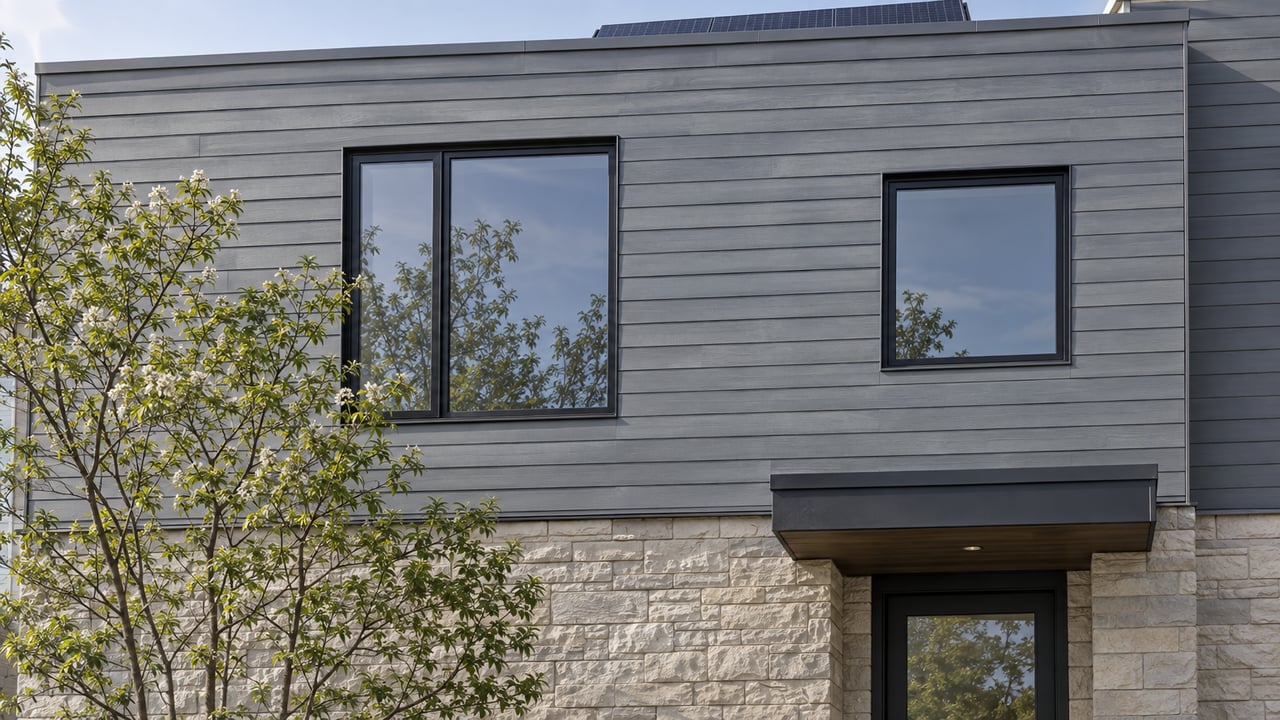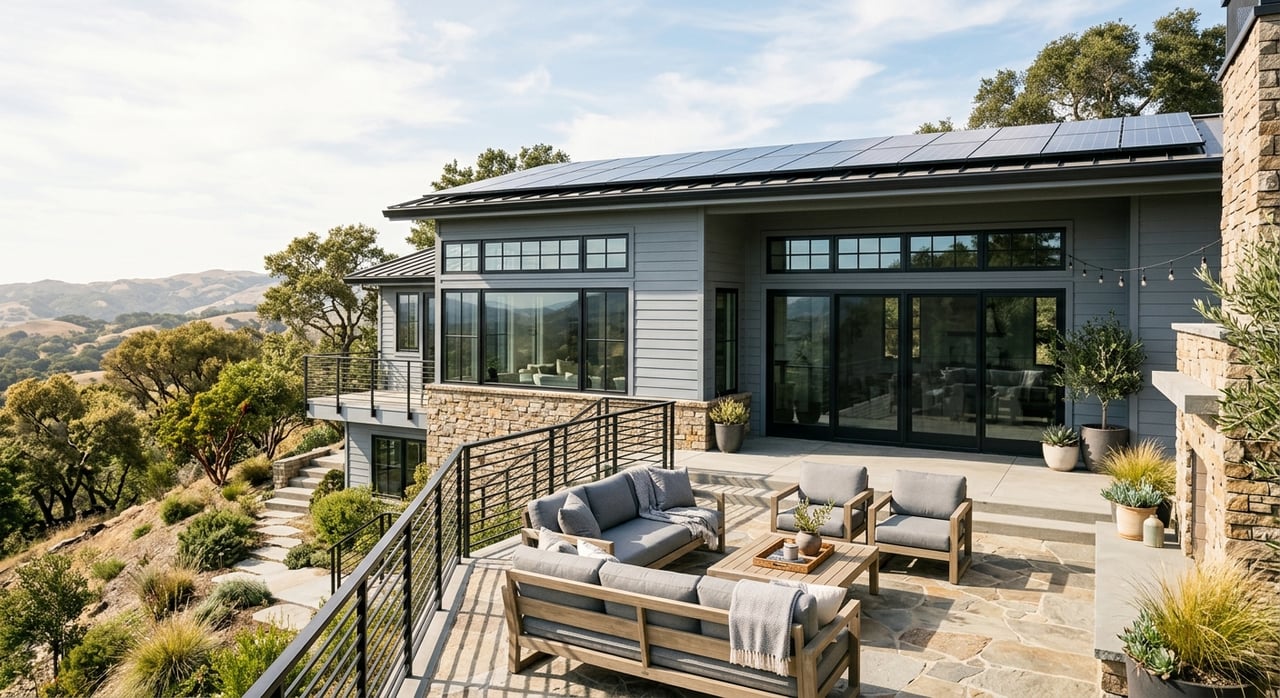
If you are selling a foothills or acreage home near Boulder, you are not just selling bedrooms and bathrooms. You are selling setting, access, privacy, land, and the day-to-day experience of living close to open space. That also means buyers will look more closely at the details that matter in this part of the market. In this guide, you will learn what makes these properties different, what to prepare before listing, and how to position your home clearly and confidently. Let’s dive in.
Why foothills homes sell differently
Foothills and acreage properties near Boulder often compete on more than interior finishes. The land itself, the outlook, the approach to the home, and the connection to surrounding open space all shape buyer interest and value.
That local context matters. The City of Boulder’s planning and code language specifically recognizes the area’s unique geographic setting, including views and open space, and the city’s Open Space and Mountain Parks system preserves more than 46,000 acres around Boulder. For many buyers, those surroundings are not a bonus. They are part of the reason to buy.
The broader market also shows why precision matters. According to the January 2026 Boulder housing stats, single-family homes had a median sales price of $1.25 million, an average of 111 days on market, and sellers received 94.4% of list price on average. For a foothills listing, that is a strong reminder that pricing and presentation need to be carefully aligned from the start.
Price the property you actually have
A foothills home should not be priced like a standard in-town property just because the square footage looks similar on paper. Buyers often weigh different factors here, including privacy, usable land, views, outdoor living, driveway design, and how the home sits on the site.
That is why exact pricing matters. If a property has exceptional outlooks, strong access, and a compelling relationship to the land, those features should be reflected in the value story. If there are added questions around access, septic, or wildfire readiness, those issues should be addressed early so they do not undermine buyer confidence later.
Access can shape buyer confidence
One of the first things buyers want to understand is how they actually get to and from the property. In Boulder County, an Access Permit is required to construct a driveway connection to a county right-of-way, and county guidance also notes that some subdivision roads or local access roadways may not receive major resurfacing.
That does not mean a property is less desirable. It means buyers tend to ask practical questions, especially about winter use, drainage, driveway layout, and who maintains the road. Clear answers can reduce uncertainty and make your listing feel better prepared.
Before you list, it helps to gather any documentation tied to driveway access, road maintenance expectations, and property approach. When buyers feel like the basics are easy to understand, they can focus more on the home and less on what might be unclear.
Wildfire readiness matters more than ever
For many foothills sellers, wildfire preparedness is now a core part of the listing process. Boulder adopted updated Wildland Urban Interface rules with local amendments that apply to building permits for properties in the WUI area as of Aug. 1, 2025.
Beyond code requirements, buyers also want reassurance that a home has been thoughtfully maintained. Boulder’s wildfire home assessment program looks at road and driveway access, roof condition, fencing near the structure, outbuildings, and vegetation around the home.
That is why wildfire readiness should be part of the listing story, not a side note. If you have completed vegetation management, improved defensible space, or addressed exterior risk factors, those steps can help buyers better understand the care that has gone into the property.
Outbuildings need attention too
Acreage homes often include detached garages, barns, sheds, storage buildings, or guest structures. These can add utility and appeal, but they should also be reviewed through the same readiness lens as the main house.
The wildfire assessment process specifically flags visible outbuildings and combustible vegetation or materials near the home. If your property includes multiple structures, a pre-listing review can help you identify simple improvements before buyers begin touring.
Septic can affect your timeline
Septic systems are another major point of attention for foothills and acreage sales. Boulder County identifies septic systems as the county’s second most frequently cited source of groundwater contamination and requires a Property Transfer Certificate for most home sales involving septic systems.
Timing matters here. Boulder County Public Health may take up to ten business days to process and issue the certificate, and the current fee is $500. If you wait too long to start that process, it can add stress at the exact point when you want the transaction to move smoothly.
A practical next step is to gather your septic records early and confirm transfer requirements before your home goes live. Boulder County’s property transfer guidance notes that the system must be adequately operating and approved for the proper bedroom count, or there needs to be a written repair agreement.
Build a smart pre-listing file
One of the best ways to prepare for a foothills sale is to create a clear pre-listing file. Because city and county rules can differ, you should first confirm which jurisdiction applies to your parcel.
A strong seller file often includes:
- Septic records and transfer status
- Driveway or access documentation
- Notes on road maintenance expectations
- Records of wildfire-mitigation work already completed
- Information on detached structures or site improvements
This kind of preparation helps your listing feel organized and credible. It also gives buyers and their agents fewer reasons to hesitate.
Market the setting, not just the floor plan
For foothills and acreage homes, great marketing should help buyers understand the property’s setting before they ever arrive. That usually means showing more than interior photos and standard curb appeal.
Ground-level photography should highlight view corridors, outdoor living areas, privacy, and the way the home connects to the landscape. In Boulder, those features are especially meaningful because views and open space are part of the local planning context.
Aerial photography and drone video can be especially useful for these properties because they can show slope, lot lines, driveway layout, and how the home sits within the terrain. According to the FAA’s drone guidance, commercial real estate videography requires a certified drone operator and compliance with Small UAS rules, including airspace restrictions where applicable.
Show usable land clearly
Buyers do not just want to know how much land is included. They want to understand how the land lives. Is there a flat outdoor area near the home? How private is the setting? How does the driveway approach feel? Where do the best views open up?
Those questions are easier to answer when the marketing is built around the actual experience of being on the property. Strong visuals and thoughtful listing presentation can help your home stand out for the right reasons.
Plan showings with access in mind
Showings for foothills properties sometimes need more coordination than standard in-town listings. Narrow roads, private driveways, weather conditions, and limited parking can all affect how visitors experience the property.
This is especially important for homes near trail access. Boulder’s Open Space and Mountain Parks department notes that there is no sanctioned parking at OSMP access points, and parking is only on public streets when available. Visitors also should not block private driveways or streets.
A clear showing plan protects the seller experience and helps buyers arrive in the right frame of mind. Good logistics make a property feel more accessible and professionally presented.
What buyers notice most
When buyers shop for foothills and acreage homes near Boulder, they are often looking at a mix of emotional appeal and practical readiness. They want the setting to feel special, but they also want confidence that the property has been thoughtfully maintained.
In many cases, the biggest buyer questions come down to a few themes:
- Is the property in the WUI area?
- How is winter access handled?
- Does the home have septic transfer requirements?
- Are outbuildings and exterior areas well maintained?
- Can the setting and land be clearly understood from the marketing?
If you answer those questions early, your listing can feel more complete, more credible, and easier for buyers to say yes to.
Selling a foothills or acreage home near Boulder takes more than a standard listing approach. It calls for pricing discipline, strong preparation, and marketing that captures both the property itself and the lifestyle tied to its setting. If you are preparing to sell and want a thoughtful, neighborhood-first strategy for your home, connect with Mary Wood to request a private neighborhood consultation.
FAQs
What makes selling a foothills home near Boulder different from selling an in-town home?
- Foothills homes are often valued for land, views, privacy, outdoor access, driveway approach, and setting, not just interior size and finishes.
What septic requirements apply when selling an acreage home in Boulder County?
- Most homes with septic systems need a Property Transfer Certificate, and Boulder County says processing may take up to ten business days.
What wildfire issues should you address before listing a Boulder foothills property?
- You should review defensible space, vegetation near structures, roof and fencing condition, driveway access, and detached outbuildings because these are part of Boulder’s wildfire assessment process.
What should you highlight in marketing for an acreage property near Boulder?
- Marketing should show view corridors, usable outdoor space, privacy, lot layout, driveway approach, and how the home connects to the surrounding landscape.
What should sellers know about drone footage for Boulder foothills listings?
- Drone footage can be helpful for showing terrain and lot context, but commercial use requires a certified operator and compliance with FAA Small UAS rules.
What parking concerns matter when showing a home near Boulder open space access?
- If a property is near an OSMP access point, visitors should use public street parking only when available and should not block private driveways or streets.